Crystal's First-Ring Commercial Buildings and the Flat Roof Equation
A Commercial Building Inventory Built in the First Wave of Suburban Development
Commercial properties concentrated along Crystal's retail and light industrial corridors represent one of the older commercial building inventories in the northwest Hennepin County market. Development through the 1950s and 1960s produced flat-roofed commercial structures now approaching or exceeding 60 years of Minnesota climate exposure — a service life that substantially exceeds the designed lifespan of the membrane systems originally installed. The failure modes on this building vintage are well-documented. Built-up roofing and early modified bitumen systems from this era show consistent patterns: alligatoring and granule loss on surfaced cap sheets, seam separations at lap joints where original adhesive has lost its bond through decades of thermal cycling, and drain collar failures where interior drain connections have shifted relative to the membrane surface. Ponding water on low-slope roofs with inadequate drainage slope amplifies all three failure modes simultaneously. Crystal's commercial properties also carry a maintenance history that reflects their building era: many have had multiple layers of repair work applied over original systems without full replacement, producing a complex substrate that requires core sampling to accurately assess before any new scope is proposed. The decision between a targeted repair strategy, a coating restoration approach, or full system replacement depends on what the subsurface layers reveal — and that determination requires an infrared scan and core sampling, not a visual roof walk.
How Crystal's Aging Building Stock Drives Flat Roof Replacement Decisions
The flat roof environment on Crystal's commercial corridors is shaped by several operational factors that drive accelerated wear compared to newer suburban commercial development. Buildings from the 1950s and 1960s typically have lower parapet walls, drainage slopes designed to minimum standards of the era, and HVAC equipment configurations reflecting multiple decades of system upgrades without corresponding roof penetration management. Each new penetration added over the decades — as HVAC, electrical, and mechanical systems were updated — represents a potential flashing failure point if not properly integrated with the existing system. Crystal's older commercial buildings commonly carry penetrations in configurations that original installers did not design for, and each one requires individual assessment during any maintenance or repair visit. Hennepin County's hail exposure record adds a seasonal variable that property managers on a planned maintenance cycle manage more effectively than those operating reactively. Post-hail inspection within 30 days of a significant weather event allows membrane punctures to be identified and addressed before fall freeze cycles allow moisture infiltration to expand under the membrane surface. Buildings without an inspection relationship tend to discover hail damage at the point of active interior leakage — a timeline that produces significantly more repair scope than the original damage would have required.
Pre-Scope Assessment for Older Crystal Commercial Roofs
Assessment on Crystal's older commercial buildings requires a methodical approach before any scope is proposed. Visual inspection identifies surface-level conditions — membrane cracking, seam separations, ponding evidence, and visible flashing failures. Infrared thermography maps wet insulation extent beneath intact membrane surfaces, providing subsurface moisture data that changes the repair or replacement calculus significantly. Core sampling confirms deck condition and existing insulation R-value on buildings where the substrate history is uncertain — which describes the majority of Crystal's older commercial stock. These three inputs together produce a complete picture of what a building actually needs rather than what its surface suggests. On Crystal's older commercial inventory, the surface view frequently understates subsurface conditions. A membrane that appears repairable may be covering wet insulation spanning a third of the roof area, making replacement the more cost-effective decision over a three-year horizon. Conversely, a membrane showing visible age may have dry insulation that qualifies the building for coating restoration at a fraction of replacement cost. Every assessment generates a written report with photographic documentation of all observed conditions. That documentation gives a Crystal property manager the information needed to make a capital allocation decision with confidence, and creates a baseline record for future insurance carrier and maintenance program purposes. Assessment findings are documented regardless of what scope they support.
Repair, Restoration, and Replacement on First-Ring Commercial Stock
Repair and replacement work on Crystal's commercial building stock requires experience with multiple system types from different installation eras. Built-up roofing systems from the 1950s and 1960s, early modified bitumen from the 1970s and 1980s, and single-ply EPDM or TPO from the 1990s forward all appear in this market — often on the same block, and sometimes in multiple layers on the same building. Replacement on Crystal's older commercial buildings frequently involves removing accumulated repair layers before any new system installation. Buildings that have had multiple repair applications over an original built-up system may carry substrate conditions that require partial or full tear-off rather than a recover installation. The deck condition revealed after tear-off determines whether the project proceeds directly to new insulation and membrane installation, or whether structural repairs are required first — a scope variable that an honest pre-assessment prevents from becoming a mid-project surprise. New system specifications account for Minnesota Energy Code R-value requirements, which may require additional insulation beyond what the existing substrate contains. Hennepin County building permits are managed through the project timeline. Final inspection is scheduled with the city before closeout, and warranty registration with the membrane manufacturer is completed as part of project close — producing a complete documentation package for Crystal commercial property records.
Maintenance Programs Aligned to Crystal's Seasonal Damage Pattern
Maintenance program structure on Crystal commercial properties is calibrated to two factors: building age and system type. Older buildings carrying built-up or modified bitumen systems from the 1960s and 1970s benefit from maintenance visits that give priority attention to seam and flashing conditions, where the earliest signs of end-of-life failure appear. Buildings carrying more recent single-ply systems focus maintenance attention on drain condition, penetration flashings, and equipment curb sealing. Two scheduled visits per year — spring and fall — align with Crystal's actual damage accumulation pattern. Spring visits after snowmelt identify freeze-thaw seam failures before summer heat masks minor gaps, confirm drain function, and address any drain blockage accumulated through winter. Fall visits before Minnesota's freeze season confirm the system is sealed and drainage is clear before snowpack begins. Minor repairs identified during maintenance — sealant replacement at penetrations, lap adhesive at seam edges, drain collar adjustments — are completed during the same visit. Deferring minor repairs to a future service call allows conditions to worsen between visits, converting a small repair scope into a larger one by the time a crew returns. Written condition reports after every visit provide Crystal property managers with current roof condition documentation for insurance carrier reporting, ownership records, and capital planning. Portfolio programs are available for property management companies overseeing multiple Crystal commercial buildings.
Comprehensive Commercial Roofing Services in Brooklyn Park
Tailored to Your Needs
We specialize in the full spectrum of commercial flat roof systems and maintenance services for Brooklyn Park's industrial, warehouse, retail, and multi-family building stock. Every service is performed by commercial-trained crews with Hennepin County permit experience and manufacturer system certification.

TPO roofing delivers heat-welded seam integrity and Minnesota climate performance for Brooklyn Park's commercial and industrial properties.
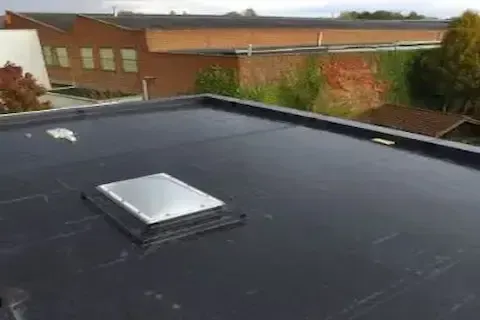
EPDM's proven durability through Minnesota's freeze-thaw cycles makes it the trusted choice for Brooklyn Park's older industrial and warehouse buildings.
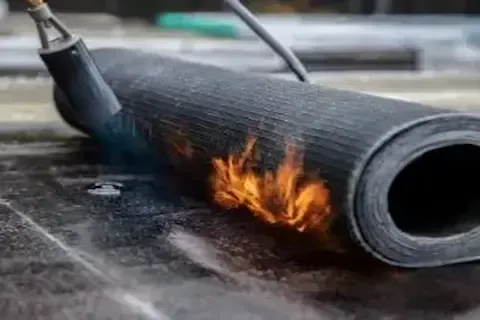
Modified bitumen's multi-ply redundancy and cold-weather SBS flexibility make it a durable choice for Brooklyn Park's aging commercial buildings.

Fast, documented commercial roof repair for Brooklyn Park property managers - from emergency leak response to scheduled seam and flashing restoration.
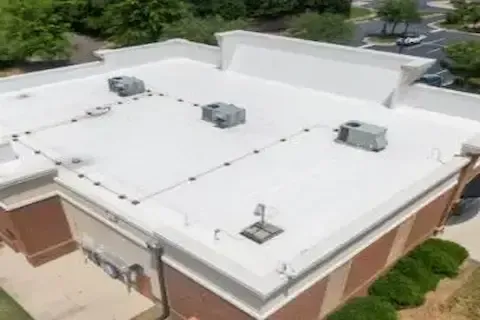
Full commercial roof replacement for Brooklyn Park buildings - from initial core sampling through Hennepin County permit closeout.
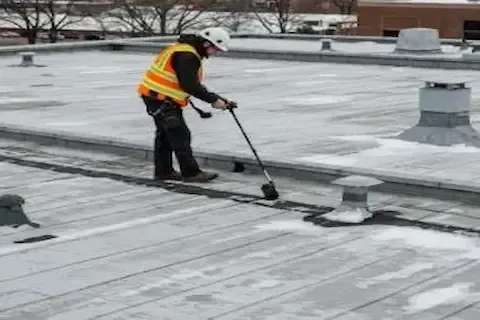
Detailed commercial roof inspections with written reports and infrared thermography for Brooklyn Park property managers, HOA boards, and building owners.

Structured biannual maintenance programs that protect Brooklyn Park commercial roofs from Minnesota's freeze-thaw cycles and extend membrane life.

Silicone and acrylic restoration coatings that extend Brooklyn Park commercial roof life by 10-15 years at a fraction of full replacement cost.
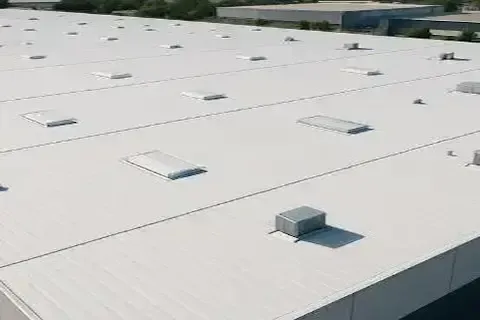
Specialized flat roof systems for Brooklyn Park's industrial and warehouse corridor - engineered for large spans, rooftop equipment loads, and Minnesota climate demands.
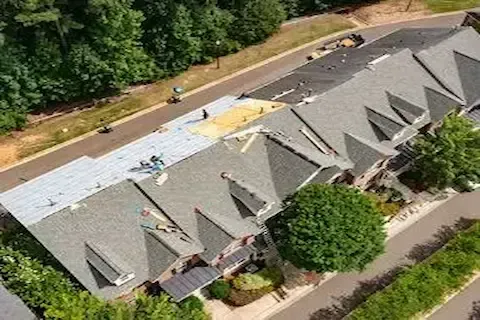
Roofing replacement and repair for Brooklyn Park HOA communities and multi-family properties with reserve fund documentation and phased project planning.
Frequently Asked Questions
Commercial Roofing can be complex, and we’re here to provide answers to common questions. Here are some frequently asked questions from our clients.
Frequently Asked Questions about Commercial Roofing Brooklyn Park MN
How much does commercial roofing cost in Brooklyn Park MN?
Commercial roofing costs in Brooklyn Park vary by system and building size. TPO membranes typically run $6-$10 per square foot installed, EPDM falls in a similar range, and modified bitumen averages $7-$12 depending on ply count and substrate condition. Warehouse and light industrial buildings along the Highway 169 corridor average 15,000-80,000 sq ft, so total project costs vary significantly. A scope-specific bid from a contractor experienced with Hennepin County commercial buildings gives you the most accurate number.
What is the best flat roof system for Minnesota's climate?
TPO is the most widely specified flat roof system for new commercial construction in Minnesota due to its heat-weldable seams, UV reflectivity, and freeze-thaw performance. EPDM remains a proven choice for large-format low-slope roofs and is common in Brooklyn Park's older industrial and warehouse stock from the 1980s and 1990s. The best system depends on your building type, existing substrate, R-value requirements, and whether you're reroofing over existing material. A licensed commercial contractor can assess your specific building.
How long does a commercial roof replacement take in Brooklyn Park?
A standard commercial reroof in Brooklyn Park takes 3-10 business days depending on building size, system type, and whether tear-off is required. Smaller buildings can be completed in 3-5 days. Warehouse and industrial facilities over 30,000 sq ft typically take 7-14 days. Minnesota's spring and fall windows are the busiest scheduling periods. Scheduling early in Q1 or Q3 gives better crew availability and avoids the peak summer repair season.
Does commercial reroofing require a Hennepin County permit?
Yes. Commercial roofing work in Brooklyn Park falls under Hennepin County building permit requirements when the scope involves a full replacement or structural deck changes. Applications for commercial reroofing are processed through Brooklyn Park's Community Development department. Your roofing contractor should pull the permit on your behalf - if they suggest skipping the permit, that is a red flag. Permitted work protects your building's certificate of occupancy and insurance coverage.
How often should a commercial roof be inspected in Minnesota?
Commercial roofs in Minnesota should be inspected at minimum twice per year - spring after the freeze-thaw season to identify membrane damage and drain blockages, and fall before winter to confirm the system is sealed and drainage is clear. Industrial and warehouse buildings with heavy HVAC equipment benefit from a third inspection after significant hail events. Brooklyn Park sits in Hennepin County's hail belt, which sees measurable hail events most years between April and July.
What causes most commercial roof failures in the Twin Cities?
The three most common causes of commercial roof failure in the Twin Cities are deferred maintenance on seams and flashings, inadequate drainage leading to standing water, and hail damage that goes uninspected until the membrane fails. Brooklyn Park's industrial and warehouse buildings are particularly vulnerable to drain blockage in spring when snowmelt exceeds drain capacity. Thermal cycling accelerates seam separation on any membrane system not regularly inspected. A preventive maintenance program catches all three failure modes before they require emergency response.
Need Commercial Roofing?
What Our Satisfied Clients Have to Say About Brooklyn Park Commercial Roofing
We pride ourselves on delivering great results and experiences for each client. Hear directly from home and business owners who’ve trusted us with their Commercial Roofing needs.

We manage a 40,000 sq ft warehouse on the Brooklyn Park industrial corridor and had been putting off the roof for two years. These guys did the core sampling, identified which sections actually needed replacement versus repair, and saved us about 30% relative to the full replacement bid we got from another contractor. Permits were pulled, work was done on schedule, and the inspection passed first visit. That's what I need from a roofing partner.
Greg Halverson
Our HOA board had been getting residential roofing contractors bidding on our townhome complex flat roofs - none of them understood the reserve fund documentation our lender required. This team put together a phased replacement plan across all six buildings with proper documentation for our Fannie Mae certification. Professional, organized, and they actually know HOA projects.
Sandra Nguyen
We signed up for the biannual maintenance program after our emergency repair bill hit $4,000 last spring. First inspection they found three drain issues and two seam separations we didn't know about - all fixed during the visit. No emergency calls since. The annual program cost is a fraction of what one bad spring used to cost us.
Tom Beckstrom
The Trusted Commercial Roofing Expert Near You
Ready to hear more about expert services at Brooklyn Park Commercial Roofing?
Contact us today to receive a detailed, no-obligation quote.

Brooklyn Park & the Twin Cities metro
Monday-Friday: 9am-5pm, Saturday: 11am-3pm
