TPO vs EPDM Roofing for Brooklyn Park MN Buildings
When choosing between TPO and EPDM roofing systems for commercial buildings, Brooklyn Park property owners face a decision that will impact their facility for decades. Both single-ply membrane systems offer proven performance in Minnesota's challenging climate, but they differ significantly in installation methods, energy efficiency, and long-term costs. Understanding these differences helps building owners make informed decisions that align with their specific needs and budget constraints.
Material Composition and Performance Characteristics
TPO (Thermoplastic Polyolefin) membranes consist of ethylene-propylene rubber combined with reinforcing fabrics and flame-retardant materials. This composition creates a flexible yet durable roofing system that maintains performance across temperature extremes. The material's thermoplastic nature allows seams to be heat-welded, creating monolithic bonds that often exceed the membrane's base strength.
EPDM (Ethylene Propylene Diene Monomer) represents synthetic rubber roofing technology that has protected commercial buildings for over forty years. The material's molecular structure provides exceptional flexibility and resistance to UV radiation, ozone, and temperature fluctuations. EPDM systems typically use adhesive or tape-based seaming methods, requiring careful surface preparation and weather conditions during installation.
Both materials demonstrate excellent resistance to ponding water, a critical consideration for flat and low-slope roofs common in commercial construction. However, their responses to thermal cycling differ substantially, affecting long-term performance in Brooklyn Park's variable climate conditions.
Installation Methods and Labor Requirements
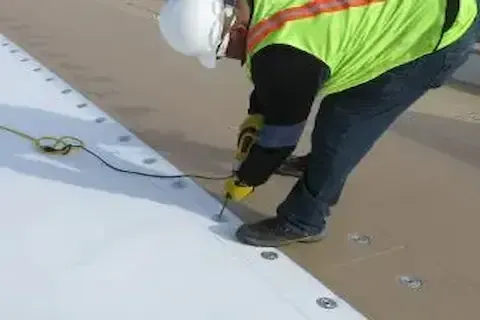
TPO installation relies primarily on heat-welded seams that create permanent chemical bonds between membrane sections. This welding process requires specialized equipment and trained technicians but produces consistent results regardless of ambient temperature or humidity. The welding process typically takes less time than adhesive-based seaming, potentially reducing labor costs on larger projects.
EPDM installation traditionally uses adhesive or tape systems that require specific temperature and humidity ranges for optimal bonding. Cold weather installations may require special adhesives or installation tents to maintain proper curing conditions. The adhesive application process demands more surface preparation time but allows for easier repairs and modifications after installation.
Weather windows significantly impact EPDM installation scheduling, particularly during Brooklyn Park's winter months when temperatures frequently drop below adhesive manufacturers' recommended ranges. TPO Roofing systems offer more installation flexibility during marginal weather conditions, potentially reducing project delays and associated costs.
Membrane Thickness and Reinforcement Options
TPO membranes typically range from 45 to 80 mils in thickness, with reinforced versions incorporating polyester or fiberglass scrims. These reinforcement layers improve dimensional stability and puncture resistance while maintaining the membrane's flexibility. Thicker TPO systems provide enhanced durability but require more robust attachment methods and structural considerations.
EPDM systems commonly use 45 or 60-mil thicknesses, with some manufacturers offering 90-mil products for high-traffic applications. The material's inherent flexibility reduces stress concentrations around fasteners and penetrations, minimizing leak potential in these vulnerable areas. EPDM's uniform composition throughout its thickness provides consistent performance even after surface weathering.
Energy Efficiency and Reflective Properties
TPO membranes naturally provide white or light gray surfaces that reflect significant portions of solar radiation, reducing cooling loads during summer months. Most TPO products achieve Energy Star qualification and contribute to LEED certification requirements. The material's reflective properties remain relatively stable over time, though some chalking may occur after extended UV exposure.
EPDM systems traditionally feature black surfaces that absorb solar energy, potentially increasing cooling costs but providing some winter heating benefits. White EPDM formulations are available but represent a smaller market segment with fewer manufacturer options. The darker surface temperature can accelerate thermal movement and expansion cycles, affecting long-term membrane performance.
Brooklyn Park's continental climate experiences significant seasonal temperature variations, making energy efficiency considerations particularly relevant for operating cost projections. Building owners should calculate potential energy savings over the system's expected lifespan when comparing initial material costs.
Maintenance Requirements and Repair Procedures
TPO maintenance focuses primarily on keeping seams and penetrations properly sealed while maintaining surface cleanliness. Heat-welded seams rarely fail but can be re-welded if necessary using the same equipment and techniques as original installation. Puncture repairs typically involve patch welding, creating permanent repairs that integrate seamlessly with the existing membrane.
EPDM maintenance emphasizes seam integrity and proper adhesion around penetrations and terminations. Adhesive-based seams may require periodic inspection and re-sealing, particularly after severe weather events. Repair procedures often involve cleaning, priming, and applying new adhesive or tape systems, which can be performed with basic tools and training.
Both systems benefit from regular debris removal and drain maintenance to prevent ponding water conditions. However, EPDM's resistance to most chemicals and oils makes it particularly suitable for buildings with potential exposure to these substances.
Warranty Considerations and Manufacturer Support
TPO warranties typically range from 15 to 30 years, with some manufacturers offering extended coverage for specific applications. Warranty terms often require certified installers and may include performance guarantees for energy efficiency or wind resistance. The relatively newer technology means fewer long-term performance case studies compared to EPDM systems.
EPDM warranties commonly span 15 to 25 years, supported by decades of field performance data demonstrating the material's longevity. Many EPDM manufacturers maintain extensive technical support networks and offer comprehensive training programs for contractors and building owners.
Cost Analysis and Return on Investment
Initial material costs for TPO and EPDM systems often fall within similar ranges, though specific pricing depends on membrane thickness, reinforcement options, and manufacturer selection. Installation labor costs may favor TPO systems due to faster seaming processes and reduced weather sensitivity, particularly during Brooklyn Park's challenging winter months.
Long-term cost considerations include energy savings potential, maintenance requirements, and expected service life. TPO's reflective properties can generate significant cooling cost savings in buildings with substantial air conditioning loads, while EPDM's proven longevity and repair-friendly characteristics may benefit facilities with limited maintenance budgets.
Property owners should also consider the availability of qualified local contractors for each system type, as specialized knowledge and equipment requirements can affect both installation quality and ongoing service availability. For comprehensive guidance on material selection and performance expectations, building owners can reference the TPO roofing handbook for detailed technical specifications and application guidelines.
Climate-Specific Performance in Minnesota
Minnesota's continental climate presents unique challenges for commercial roofing systems, including extreme temperature variations, significant snow loads, and frequent freeze-thaw cycles. Both TPO and EPDM systems have demonstrated successful performance in similar climates, though their responses to specific weather conditions differ.
TPO membranes maintain flexibility across wide temperature ranges but may become more rigid during extended cold periods. This temporary stiffness rarely affects system performance but can influence installation scheduling and repair procedures during winter months. The material's thermal expansion characteristics require proper accommodation in system design and attachment methods.
EPDM systems excel in cold weather flexibility, remaining pliable even at sub-zero temperatures common in the Brooklyn Park area. This characteristic simplifies winter repairs and modifications while reducing stress on attachment points during thermal cycling. The material's stability under UV exposure proves particularly valuable during Minnesota's intense summer sun exposure periods.
