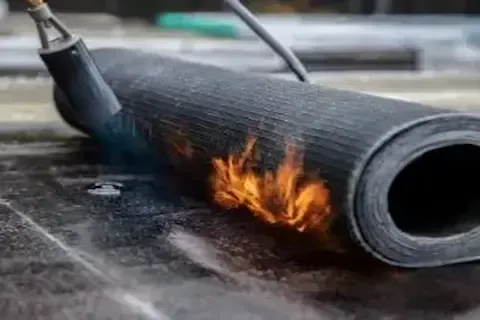
Summer Modified Bitumen Roof Care Brooklyn Park MN
Summer in Brooklyn Park, MN brings heat, humidity, and UV exposure that test every roofing system you own — but modified bitumen membranes face a specific set of seasonal stresses that deserve your attention before problems compound. Whether your building is along Zane Avenue, near the Edinbrook area, or off Highway 169, the combination of intense July sun and Minnesota's occasional summer deluges puts real pressure on cap sheets, seams, and surface granules. Getting ahead of warm-weather wear is far less expensive than addressing the leaks, blisters, and structural damage that follow neglect.
What Summer Heat Does to Modified Bitumen Membranes
Modified bitumen is designed to handle thermal movement, but extreme heat still challenges the material in predictable ways. When surface temperatures on a dark cap sheet exceed 150°F — which happens regularly on Brooklyn Park rooftops during July and August — the bitumen binder softens. This softening is temporary and normal, but repeated thermal cycling causes cumulative stress at seams and terminations. Over multiple summers, that stress manifests as lap separation, edge lifting, and small splits that invite water intrusion the moment temperatures drop and the material contracts again.
Granule loss is the other primary summer concern. The mineral granules embedded in your cap sheet serve as UV protection for the bitumen layer beneath. When granules wear thin or wash away from ponding water, the underlying bitumen is exposed to direct ultraviolet radiation. UV degradation causes oxidation, brittleness, and cracking — all conditions that shorten membrane life significantly. A roof that might otherwise last 20 years can lose five to seven years of service life from inadequate granule coverage.
Cap Sheet Inspection Priorities During Warm Months
Summer is the best time for a thorough cap sheet assessment because you can actually see the surface clearly without snow or ice obscuring wear patterns. Start by walking the entire field of the roof and looking for bare patches where granules have displaced. Pay particular attention to areas beneath HVAC condensate discharge points and around low spots where water pools. Those locations experience the highest granule erosion rates over time.
Check the color uniformity of the surface as well. Sections that appear noticeably lighter or grayer than surrounding areas often indicate granule loss or early oxidation. If you press your hand against the membrane on a warm afternoon and the surface feels unusually tacky or spongy compared to a reference point, the binder may be softening excessively — a sign of thin granule coverage or a compromised cap sheet.
For buildings across the Brooklyn Park commercial corridor, it's also worth inspecting where rooftop equipment has been added or repositioned. Any penetrations, curb flashing, or walkpad edges that were cut or disturbed during equipment work are common entry points for summer moisture after seams loosen in the heat.
Ponding Water Checks After Summer Storms
Brooklyn Park receives meaningful rainfall between June and September, and flat or low-slope modified bitumen roofs are vulnerable to ponding when drains are slow or when membrane deflection has created subtle low spots. Ponding water that persists beyond 48 hours is a recognized industry threshold for concern — it accelerates granule loss, adds structural load, and promotes biological growth that degrades the membrane surface.
After significant rain events, walk the roof and document any areas holding water. If the same locations pond repeatedly, you likely have a drainage issue that summer maintenance should address. Cleaning drain covers and interior standpipes is a low-cost step that prevents significant damage. Where ponding originates from structural deflection rather than blocked drainage, the solution is more involved and worth discussing with a qualified contractor before the situation worsens heading into fall.
Seam Reseal and Blister Management
Seams are the most vulnerable points on any modified bitumen system, and summer heat can accelerate the lap separation that began during spring freeze-thaw cycles. During your summer walkthrough, press firmly along all visible seam edges. Any section that moves, lifts, or produces a hollow sound beneath it has lost adhesion and needs resealing before the next heavy rain.
Blisters — raised bubbles in the membrane surface — are another summer feature worth monitoring. Small blisters that remain stable can often be left alone. Large blisters, blisters that have opened or cracked at the crown, and any blister located directly over a seam need professional attention. Opening a blister improperly can allow moisture intrusion into insulation layers, which is far more costly to remediate than the surface repair itself.
If your building uses a Modified Bitumen Roofing system and you haven't had a professional seam inspection since installation, summer is the ideal window to schedule one. Contractors can apply compatible lap sealants and reinforced patches during warm, dry weather — conditions that promote proper adhesion and cure times.
Practical Summer Maintenance Steps You Can Take Now
Clear all roof drains and scuppers of debris accumulated during spring — leaves, seed pods, and gravel migration all restrict flow
Document granule loss areas with photos and note their square footage so you can track progression season to season
Check all pipe boot flashings and curb perimeters for cracked mastic or lifted metal edges that the previous winter may have loosened
Inspect HVAC mounting feet and any rooftop ballast for contact points that may have worn through protective overlays
Remove standing organic debris from the field of the roof — wet leaves and mulch retain moisture against the membrane surface for extended periods
For a deeper technical foundation on how modified bitumen systems behave across seasons and what distinguishes quality installation from shortcuts, review the modified bitumen manual for Brooklyn Park — it covers material grades, application methods, and what to look for when evaluating existing systems.
When to Call a Professional in Brooklyn Park
Some summer maintenance tasks are appropriate for building facilities staff. Others require a licensed roofing contractor with the tools and materials to perform lasting repairs. If you observe active leaks, extensive seam separation covering more than a few linear feet, large open blisters, or granule loss across more than 20 percent of the cap sheet, those conditions warrant a professional assessment rather than a DIY patch.
Brooklyn Park's commercial roofing environment is competitive, and not every contractor who offers a quick summer patch-up is equipped to perform work that meets manufacturer warranty requirements. Ask for documentation that proposed repair materials are compatible with your existing membrane type — mismatched sealants and patches frequently fail within a single seasonal cycle and can void remaining warranty coverage on the original installation.
Staying proactive during the summer months gives you a clear picture of where your modified bitumen roof stands, what it needs this season, and how much useful service life it retains heading into fall. That knowledge is worth far more than any single repair job.
