Modified Bitumen Roofing Owner Manual Brooklyn Park MN
Modified bitumen roofing systems represent one of the most reliable flat roof solutions for commercial properties in Brooklyn Park, Minnesota. These engineered membrane systems combine the waterproofing properties of traditional built-up roofing with modern polymer technology, creating durable barriers that withstand the region's extreme temperature swings and severe weather patterns. Property owners who understand their modified bitumen system's components, installation methods, and maintenance requirements can maximize their investment while protecting their buildings for decades.
Understanding Modified Bitumen Membrane Systems
Modified bitumen membranes consist of asphalt that has been chemically enhanced with rubber or plastic polymers to improve flexibility, durability, and temperature resistance. The two primary polymer types used in these systems are Styrene-Butadiene-Styrene (SBS) and Atactic Polypropylene (APP). SBS-modified membranes remain flexible at low temperatures and are typically installed using cold adhesives or hot mopping techniques. APP-modified membranes are designed for torch application and provide excellent heat resistance, making them particularly suitable for Brooklyn Park's hot summers.
These membrane systems typically feature a multi-layer construction with a base sheet applied directly to the roof deck, followed by one or more cap sheets that provide the primary weatherproofing barrier. The base sheets are often smooth-surfaced to facilitate proper adhesion, while cap sheets feature granular surfaces that protect against UV degradation and provide additional fire resistance. Some systems incorporate self-adhering membranes that eliminate the need for hot asphalt or torch application, though these are less common in commercial applications.
Quality modified bitumen systems include reinforcement materials such as polyester or fiberglass mats that provide dimensional stability and tear resistance. The reinforcement prevents the membrane from shrinking or expanding excessively during temperature fluctuations, which is crucial for maintaining watertight seals around penetrations and at system edges. Understanding your specific membrane composition helps you make informed decisions about maintenance procedures and compatible repair materials.
Installation Methods and Application Techniques
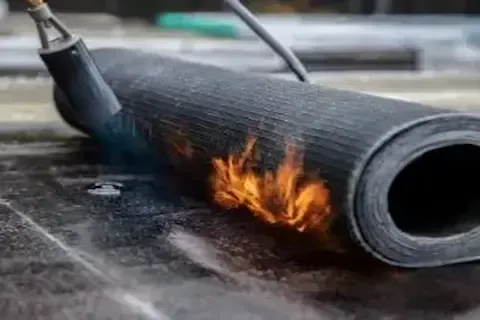
Torch-down application represents the most common installation method for APP-modified bitumen systems in Brooklyn Park. This process involves using propane torches to heat the bottom surface of the membrane until the modified asphalt becomes molten, then rolling the membrane into place while the asphalt is still hot. Proper torch application requires experienced contractors who understand how to achieve complete adhesion without overheating the membrane or creating excessive laps that could lead to future problems.
Cold adhesive installation methods are frequently used for SBS-modified systems, particularly in situations where flame application is prohibited or impractical. These systems use specially formulated adhesives that create strong bonds between the membrane and substrate without requiring heat. Cold adhesive installations typically take longer to cure than torch-applied systems, but they offer advantages in occupied buildings or areas with fire restrictions.
Hot mopping techniques involve applying hot asphalt to bond the membrane to the roof deck or base sheet. This traditional method provides excellent waterproofing when properly executed but requires careful temperature control to avoid damaging the membrane polymers. The asphalt must be heated to specific temperatures and applied at precise thicknesses to ensure proper adhesion and long-term performance.
Regardless of installation method, proper surface preparation is critical for system success. The roof deck must be clean, dry, and structurally sound before membrane application begins. Any existing roofing materials, debris, or moisture must be removed, and deck fasteners must be properly seated and sealed. Primer application may be required on certain substrates to ensure adequate membrane adhesion.
System Components and Configuration Options
Base sheets provide the foundation for multi-ply modified bitumen systems and are typically smooth-surfaced to facilitate adhesion with subsequent layers. These sheets often feature glass fiber or polyester reinforcement and are designed to bond securely with various substrates including concrete, wood, and metal decking. Base sheets may be mechanically fastened, adhered with hot asphalt, or torch-applied depending on system design and substrate conditions.
Cap sheets serve as the primary weatherproofing layer and feature granular surfaces that protect against UV radiation, impact damage, and fire spread. The granule embedment and distribution significantly affect the membrane's longevity and appearance. High-quality cap sheets maintain their granule retention throughout their service life, while inferior products may experience premature granule loss that reduces system effectiveness.
Flashing details require special attention in modified bitumen installations because they represent the most vulnerable areas of any roofing system. Modified bitumen flashing membranes must be compatible with the field membrane and properly integrated with system transitions. Common flashing applications include penetration seals, edge terminations, and expansion joint covers. For Brooklyn Park commercial properties, Modified Bitumen Roofing installations must account for significant thermal movement and weather exposure.
Protective surfacing options include reflective coatings, ballast systems, and pavers that enhance system performance and longevity. Reflective coatings reduce surface temperatures and UV exposure while potentially qualifying for energy efficiency incentives. Ballast systems use stone or concrete pavers to protect the membrane from wind uplift, hail damage, and thermal cycling. The choice of protective surfacing affects maintenance requirements and system accessibility.
Performance Characteristics and Environmental Factors
Temperature resistance represents a critical performance factor for modified bitumen systems in Minnesota's challenging climate. SBS-modified membranes typically remain flexible at temperatures down to -20°F, while APP-modified systems maintain integrity in extreme heat conditions exceeding 200°F. These temperature ranges allow modified bitumen systems to accommodate Brooklyn Park's temperature variations without cracking or losing adhesion.
Wind resistance depends on proper installation techniques and adequate mechanical attachment. Modified bitumen systems must be designed to resist wind uplift forces specified in local building codes, which account for the region's severe thunderstorms and occasional tornadoes. Edge details and penetration seals require particular attention because they create the most vulnerable points for wind-driven moisture infiltration.
Hail resistance varies depending on membrane thickness, reinforcement type, and protective surfacing. Granulated cap sheets provide some impact protection, but severe hail events can still cause damage that requires professional assessment. Regular post-storm inspections help identify potential problems before they develop into major leaks or system failures.
Chemical resistance makes modified bitumen systems suitable for buildings with rooftop equipment or exposure to industrial emissions. The polymer modifications improve resistance to petroleum products, acids, and alkaline substances that might be encountered in commercial applications. However, certain chemicals can still affect membrane performance, so compatibility should be verified before installation.
Lifecycle Planning and Maintenance Requirements
Preventive maintenance programs extend modified bitumen system life expectancy and reduce long-term ownership costs. Regular inspections should focus on drainage systems, flashing details, and membrane surfaces to identify minor problems before they require major repairs. Seasonal maintenance tasks include cleaning drains and gutters, removing debris accumulation, and checking for granule loss or membrane damage.
Drainage system maintenance represents the most critical aspect of modified bitumen care because standing water accelerates membrane degradation and increases thermal cycling stress. Drains and gutters must be kept clear of debris, and drainage slopes should be maintained to prevent ponding. Brooklyn Park's freeze-thaw cycles can cause significant damage when water accumulates on the roof surface.
Membrane repairs should be performed using compatible materials and proper installation techniques. Small punctures or tears can often be addressed with patch repairs, while larger damaged areas may require section replacement. The key to successful repairs is identifying the extent of damage and ensuring that repair materials bond properly with the existing membrane system.
Professional inspections every three to five years help identify systemic issues that may not be apparent during routine maintenance activities. These comprehensive evaluations assess membrane condition, flashing integrity, insulation performance, and structural adequacy. Early identification of potential problems allows property owners to budget for necessary repairs and avoid emergency situations.
Common Installation and Performance Issues
Improper torch application creates numerous problems in APP-modified systems including insufficient adhesion, membrane burning, and inadequate lap seals. Overheating can destroy the polymer modifications that give the membrane its enhanced properties, while insufficient heating prevents proper bonding. These installation defects often become apparent years after installation when premature failures occur.
Inadequate surface preparation leads to adhesion failures that compromise system integrity. Moisture trapped beneath membranes can cause blistering, while contaminated substrates prevent proper bonding. Oil, dust, or loose materials on the roof deck must be removed before membrane installation begins, and primers may be required on certain substrates.
Flashing installation errors represent the primary cause of modified bitumen system leaks. Common problems include insufficient overlap dimensions, improper termination details, and inadequate penetration seals. Flashing failures often occur at roof edges, equipment penetrations, and system transitions where movement and weather exposure are most severe.
Membrane splitting typically results from excessive thermal movement, inadequate reinforcement, or poor installation practices. These failures often occur along membrane laps or at stress concentration points such as corners and penetrations. Understanding the causes of membrane splitting helps property owners recognize when professional evaluation is necessary.
Local Climate Considerations for Brooklyn Park
Winter performance challenges include ice dam formation, freeze-thaw cycling, and extreme temperature variations that stress membrane systems. Modified bitumen membranes must maintain flexibility during cold snaps while providing adequate thermal resistance to prevent condensation problems. Proper insulation design and vapor barriers help minimize these seasonal stresses.
Summer heat exposure in Brooklyn Park can cause significant thermal expansion in modified bitumen systems, particularly in APP-modified membranes installed on metal decks. Adequate expansion joint details and proper membrane restraint prevent stress concentrations that could lead to splitting or fastener pullout. Reflective surfacing helps reduce membrane temperatures during peak summer conditions.
Storm water management becomes critical during Brooklyn Park's severe thunderstorms and spring snowmelt periods. Modified bitumen systems must incorporate adequate drainage capacity and emergency overflow provisions to handle extreme precipitation events. The relationship between the industrial roofing manual and residential applications demonstrates how local weather patterns affect all roofing system types.
Humidity fluctuations throughout the year affect vapor drive conditions that influence insulation performance and condensation potential. Proper vapor barrier installation and ventilation design help manage moisture movement through the roof assembly. These considerations are particularly important in buildings with high interior humidity levels such as pools, manufacturing facilities, or restaurants.
Professional Installation and Service Requirements
Contractor qualifications significantly impact modified bitumen system performance and longevity. Experienced installers understand proper torch techniques, adhesive application methods, and flashing details that ensure long-term success. Contractor certification programs and manufacturer training help verify installer competency and may be required for warranty coverage.
Quality control procedures during installation help identify and correct problems before they affect system performance. These procedures include substrate inspection, material storage and handling protocols, installation technique verification, and completed work inspection. Property owners should understand these quality control measures and verify their implementation during construction.
Warranty considerations include material warranties, installation warranties, and system performance guarantees. Understanding warranty terms, coverage limitations, and maintenance requirements helps property owners protect their investment and avoid actions that might void coverage. Some warranties require periodic professional inspections or specific maintenance procedures.
Emergency repair capabilities become important when storm damage or equipment failures threaten building integrity. Establishing relationships with qualified contractors before problems occur ensures rapid response when emergency repairs are needed. Brooklyn Park commercial properties benefit from working with contractors who understand local conditions and maintain appropriate equipment and materials inventory.
