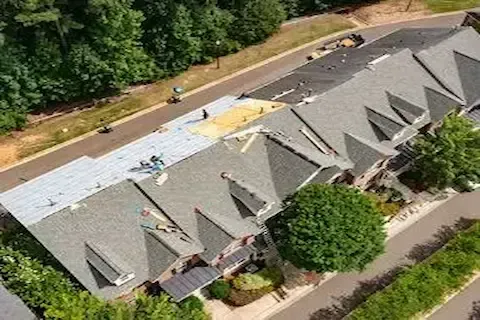
Multi-Family Roofing Handbook Brooklyn Park MN HOAs
Understanding Multi-Family Roofing Systems in Brooklyn Park
Multi-family roofing projects in Brooklyn Park require specialized knowledge of building codes, HOA regulations, and complex logistics that single-family homes never encounter. These large-scale roofing systems protect dozens or hundreds of residents simultaneously, making proper planning and execution critical for community safety and property values.
Brooklyn Park's multi-family housing stock includes everything from small townhome complexes to large apartment buildings, each presenting unique roofing challenges. The city's building department requires specific permits and inspections for multi-family roofing work, while HOA boards must navigate reserve funding, resident notifications, and contractor selection processes that can take months to complete properly.
Your roofing system serves as the primary weather barrier for multiple families, making material selection and installation quality non-negotiable. Unlike residential projects where one homeowner makes all decisions, multi-family roofing involves board approvals, resident input, and compliance with both city codes and association bylaws.
HOA Board Responsibilities and Decision-Making Process
HOA boards carry fiduciary responsibility for roof replacement decisions that affect every unit owner's property value and monthly assessments. Your board must balance cost considerations with long-term durability, often working with reserve study recommendations and engineering assessments to justify major expenditures to the membership.
The decision-making timeline typically spans 6-12 months for major roof replacement projects. You'll need to obtain multiple bids, review contractor credentials, secure proper insurance documentation, and often hold special meetings for membership input on assessment amounts or loan options. Brooklyn Park HOAs must also comply with Minnesota Common Interest Ownership Act requirements for contractor selection and resident notification.
Reserve study updates become essential when your roof approaches its expected lifespan. These studies help you plan financially for replacement costs, which can range from $15,000-25,000 per building for typical townhome structures. Multi-Family & HOA Roofing projects require detailed budgeting that accounts for inflation, material cost fluctuations, and potential structural repairs discovered during tear-off.
Board communication with residents must be transparent and frequent throughout the roofing process. You'll need to provide advance notice of construction activities, temporary parking restrictions, and any special assessments required to fund the project. Many Brooklyn Park HOAs schedule multiple informational meetings to address resident concerns and explain the necessity of roof replacement versus ongoing repair costs.
Townhome and Condominium Roofing Considerations
Townhome roofing systems present unique challenges due to shared walls and connected structures that require coordinated installation approaches. Your roofing contractor must understand how to work across multiple units simultaneously while maintaining weather protection for occupied homes throughout the construction period.
Material consistency becomes critical in townhome projects where aesthetic uniformity affects property values. You cannot replace individual unit roofs with different materials or colors without affecting the entire complex's appearance and potentially violating architectural guidelines. Brooklyn Park's townhome communities often have strict architectural control requirements that limit material choices to maintain neighborhood character.
Structural considerations differ significantly from single-family homes due to shared load-bearing walls and interconnected systems. Your roofing contractor must coordinate with structural engineers when additional support or modifications are needed, especially in older townhome developments built before current building codes were established.
Drainage systems in multi-family buildings require careful attention to prevent water damage across multiple units. Improper installation or maintenance can result in water intrusion that affects several families simultaneously, creating liability issues and expensive repair costs that impact the entire association's finances.
Apartment Complex Roofing Management
Large apartment complexes require industrial-scale roofing approaches that minimize disruption to tenant occupancy while maintaining building weather integrity. Your property management team must coordinate with roofing contractors to schedule work around tenant needs, lease obligations, and local noise ordinances that Brooklyn Park enforces for construction activities.
Tenant notification requirements extend beyond simple courtesy communications. You must provide adequate notice of construction activities, temporary service disruptions, and any access restrictions that affect tenant use of their units. Many apartment roofing projects require temporary relocation assistance for top-floor tenants when extensive structural work is necessary.
Commercial-grade roofing systems used on apartment buildings typically involve modified bitumen, EPDM, or TPO membranes that provide superior durability compared to residential shingles. These systems require specialized installation techniques and equipment that not all roofing contractors possess, making contractor selection crucial for successful project completion.
Building code compliance becomes more complex for apartment buildings due to fire safety requirements, accessibility standards, and energy efficiency mandates that affect roofing system design. Your roofing contractor must understand these requirements and ensure all work meets Brooklyn Park's commercial building standards rather than residential codes.
Permit Requirements and Code Compliance
Brooklyn Park requires specific permits for multi-family roofing projects that differ from residential permit processes. Your contractor must obtain commercial building permits that involve plan review, structural analysis, and multiple inspection phases throughout the project timeline.
Fire safety codes play a significant role in multi-family roofing projects, requiring specific materials, installation methods, and access provisions for emergency services. These requirements often increase project costs but are non-negotiable for protecting resident safety and maintaining building occupancy certificates.
Energy efficiency standards continue evolving, with newer codes requiring improved insulation values and ventilation systems that affect roofing installation approaches. Your project must meet current energy codes regardless of when the original building was constructed, potentially requiring additional upgrades beyond simple roof replacement.
Inspection schedules for multi-family projects involve multiple phases including structural inspection, membrane installation review, and final approval before certificate of occupancy renewal. The roof replacement roadmap helps property managers understand these inspection requirements and plan accordingly for project timeline impacts.
Reserve Study Integration and Financial Planning
Reserve studies provide the financial foundation for major roofing projects by projecting replacement costs and recommending funding schedules that avoid large special assessments. Your HOA board should update reserve studies every three to five years to account for inflation, material cost changes, and evolving building maintenance needs.
Component life expectancy varies significantly based on roofing materials, installation quality, and maintenance programs your association implements. Asphalt shingles on townhomes typically last 20-25 years in Minnesota's climate, while commercial membrane systems on apartment buildings can provide 15-20 years of service with proper maintenance.
Special assessment planning becomes necessary when reserve funds are insufficient to cover full roof replacement costs. Your board must calculate assessment amounts, determine payment schedules, and often provide financing options for owners who cannot pay large assessments immediately. Brooklyn Park HOAs frequently use combination funding approaches that blend reserve funds, special assessments, and association loans.
Insurance considerations affect both reserve planning and project execution. Your association's property insurance may cover storm damage repairs but typically excludes normal wear and replacement costs. Understanding insurance coverage helps boards plan reserve funding levels and determine when to file claims versus using reserve funds for repairs.
Contractor Selection and Project Management
Contractor qualification requirements for multi-family projects extend beyond basic licensing to include commercial experience, bonding capacity, and insurance coverage adequate for large-scale construction risks. Your selection process should verify previous multi-family project experience, reference checks with other HOAs, and financial stability sufficient to complete your project.
Bonding requirements protect your association from contractor default or performance issues that could leave your roofing project incomplete. Performance bonds and payment bonds provide financial security that individual homeowners rarely need but become essential for protecting community investments in major roofing projects.
Project timeline coordination involves balancing weather windows, material delivery schedules, and resident impact minimization. Experienced contractors understand how to phase multi-building projects to maintain weather protection while completing work efficiently during Brooklyn Park's limited construction season.
Quality control measures must account for work across multiple buildings or units where consistency is critical. Your project specifications should address material standards, installation procedures, and inspection requirements that ensure uniform quality throughout the entire roofing system.
Resident Communication and Impact Management
Communication strategies for multi-family roofing projects require regular updates, clear timelines, and proactive problem resolution to maintain community relations throughout extended construction periods. Your board should establish communication protocols that keep all residents informed of project progress, schedule changes, and temporary inconveniences.
Temporary living arrangements may become necessary for residents in units directly affected by roofing work, particularly when structural repairs or extensive interior protection cannot prevent disruption. Your association should plan for relocation assistance costs and establish policies for handling these temporary displacement needs.
Parking and access restrictions often accompany large roofing projects due to equipment placement, material staging, and safety zone requirements. Residents need advance notice of these restrictions along with alternative arrangements that minimize daily life disruption during construction periods.
Noise and activity schedules must comply with Brooklyn Park's construction hour limitations while maximizing contractor productivity during permitted work periods. Your project should establish clear start and stop times, weekend restrictions, and procedures for addressing resident complaints about construction activities.
Long-Term Maintenance and Warranty Management
Maintenance program development becomes crucial immediately after roof installation to protect your community's investment and maintain warranty coverage. Your association should establish inspection schedules, preventive maintenance procedures, and documentation systems that support warranty claims when needed.
Warranty coordination across multiple buildings or units requires centralized record-keeping and proactive communication with roofing contractors when issues arise. Many multi-family roofing warranties include specific maintenance requirements that void coverage if not properly documented and performed on schedule.
Professional maintenance contracts often provide the most cost-effective approach to ongoing roof care, especially for large apartment complexes where in-house staff lack specialized roofing knowledge. These contracts typically include regular inspections, minor repairs, and priority service during storm events that can prevent small problems from becoming major expenses.
Documentation systems should track maintenance activities, warranty information, and repair history for future reference during insurance claims or subsequent roofing projects. Proper records help future boards understand system performance and plan more accurately for eventual replacement needs.
