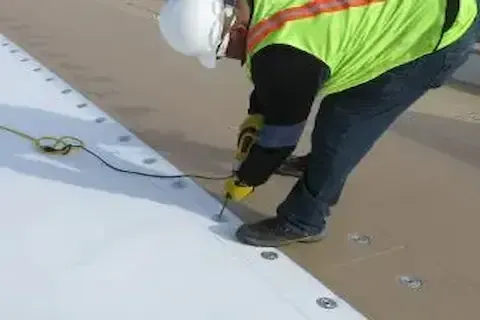
How Long Does TPO Roofing Last in Brooklyn Park MN
TPO roofing in Brooklyn Park, MN typically lasts 20 to 30 years when properly installed, maintained, and matched to Hennepin County's climate demands. Thicker membranes (60–80 mil), professional heat-welded seams, and a consistent inspection schedule are the primary factors that push a TPO roof toward the upper end of that range. Harsh Minnesota winters, freeze-thaw cycles, and summer UV exposure can shorten lifespan if installation shortcuts are taken or maintenance is skipped. A well-cared-for TPO system on a Brooklyn Park commercial building is a durable, cost-effective long-term investment.
How Long Does TPO Roofing Actually Last?
The honest answer is that TPO lifespan in Brooklyn Park falls between 20 and 30 years, but most systems land closer to 22 to 25 years under real Minnesota conditions. The material itself is rated for long-term performance, but local variables matter. A 45-mil membrane installed by a general contractor unfamiliar with low-slope commercial roofing may fail in 10 to 12 years. A 60-mil or 80-mil membrane installed by a commercial roofing specialist with properly welded seams and correct drainage can reach or exceed 30 years. Manufacturer warranties typically range from 15 to 30 years depending on membrane thickness and certified installation requirements.
What Factors Most Affect TPO Roof Lifespan in Brooklyn Park?
Several variables determine how long your specific TPO roof will perform:
- Membrane thickness: 45-mil is entry-level and more vulnerable to punctures and seam stress. 60-mil and 80-mil membranes handle Brooklyn Park's temperature swings significantly better.
- Seam quality: Heat-welded seams must reach the correct temperature and dwell time. Poorly welded seams are the leading cause of early TPO failure in the Twin Cities metro.
- Drainage design: Flat and low-slope roofs in Brooklyn Park must drain efficiently. Standing water accelerates membrane degradation and puts stress on seams and penetrations.
- UV exposure: TPO reflects UV rays effectively, which is one of its primary advantages. However, chalking or surface erosion over time can reduce reflectivity and membrane integrity if the surface is not inspected regularly.
- Foot traffic and mechanical equipment: HVAC service, rooftop equipment, and unprotected foot traffic create puncture and abrasion risks that shorten lifespan without walk pads or protection boards.
- Minnesota freeze-thaw cycles: The Hennepin County climate subjects roofing membranes to repeated contraction and expansion. Properly adhered or mechanically fastened TPO handles this well; improperly secured systems develop stress points.
Does Membrane Thickness Really Make a Difference in Minnesota?
Yes, and it matters more here than in milder climates. Minnesota's temperature range from below zero in January to 90°F in July puts more thermal stress on roofing membranes than most of the country. A 45-mil membrane may be code-compliant and functional in moderate climates, but Brooklyn Park commercial building owners who invest in 60-mil or 80-mil TPO consistently report fewer seam failures, fewer punctures, and longer service life between major repairs. For any commercial building in the Brooklyn Park or Maple Grove area with mechanical rooftop equipment or regular service access, 60-mil is considered the practical minimum by experienced local contractors.
How Does Maintenance Affect TPO Lifespan?
Maintenance is the single most controllable factor in TPO roof longevity. A twice-yearly inspection schedule—fall before freeze season and spring after snowmelt—catches small issues before they become expensive failures. In Brooklyn Park, those inspections should include:
- Checking seams and flashings around penetrations, drains, and edges
- Clearing debris from drains and scuppers to prevent ponding
- Inspecting walk pad placement and condition around rooftop equipment
- Looking for membrane chalking, cracking at termination bars, or lifted edges
- Documenting any hail or wind damage after major weather events common to the Hennepin County area
If you want a structured approach to seasonal upkeep, review our guide to summer TPO maintenance for a season-specific checklist relevant to this climate.
When Should a TPO Roof Be Replaced vs. Repaired?
Repair is almost always the right answer before year 15 on a properly installed system. After year 20, the calculation changes. If seam failures are appearing across multiple sections, if the membrane has become brittle or heavily chalked, or if repairs are happening annually rather than every few years, replacement is typically more cost-effective than continued patching. A commercial roofing contractor familiar with Brooklyn Park building stock can perform a core sample test to check insulation moisture content and membrane integrity—this gives you objective data rather than a judgment call.
What Warranty Should You Expect on a TPO Roof in Brooklyn Park?
Standard manufacturer warranties on TPO systems range from 15 to 30 years depending on membrane thickness and whether installation was performed by a certified contractor. A 15-year warranty typically covers a 45-mil system installed by a general contractor. A 20- to 30-year warranty usually requires a 60-mil or thicker membrane installed by a manufacturer-certified roofing contractor and may include periodic inspections as a warranty condition. Always verify that your contractor is certified by the membrane manufacturer—this matters for both warranty coverage and actual installation quality on Brooklyn Park commercial properties.
For commercial building owners evaluating options, our TPO Roofing service page outlines the systems and installation standards we use on Hennepin County properties.
