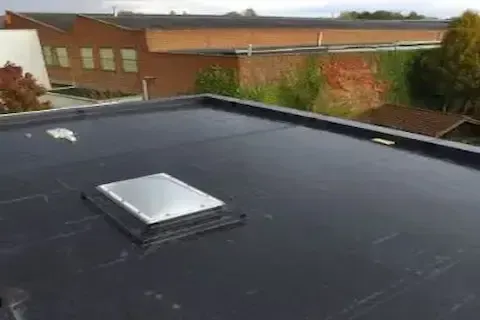
EPDM Roofing System Handbook for Brooklyn Park Owners
EPDM roofing systems have become the backbone of commercial flat roofing across Brooklyn Park, Minnesota, delivering exceptional durability and weather resistance for the region's challenging climate. This synthetic rubber membrane technology offers property owners a proven solution that withstands temperature extremes, UV exposure, and the heavy snow loads common to the Twin Cities metropolitan area. Understanding the three primary installation methods, maintenance requirements, and performance characteristics enables informed decision-making for your commercial roofing investment.
EPDM Membrane Fundamentals and System Components
Ethylene Propylene Diene Monomer represents a synthetic rubber formulation engineered specifically for roofing applications. The membrane arrives in large sheets, typically 45 or 60 mils thick, manufactured in widths up to 50 feet to minimize field seams. This seamless approach reduces potential failure points while creating a continuous waterproof barrier across your roof surface.
The membrane composition includes carbon black for UV protection, enabling decades of exposure without degradation. Quality EPDM systems incorporate reinforced fabric backing for dimensional stability and puncture resistance. Modern formulations resist ozone, weathering, and thermal cycling that characterizes Minnesota's continental climate patterns.
Critical system components extend beyond the membrane itself. Seam tape creates watertight connections between membrane sheets using pressure-sensitive adhesive or liquid adhesive application. Flashing details integrate the membrane with roof penetrations, edge conditions, and transition areas. Insulation boards beneath the membrane provide thermal performance and substrate preparation for mechanical attachment systems.
Proper substrate preparation remains fundamental to system performance. Deck surfaces must achieve appropriate smoothness, dryness, and structural integrity before membrane installation. Vapor retarders may require integration based on building use and interior humidity conditions.
Ballasted EPDM System Installation and Performance
Ballasted systems represent the most economical EPDM installation method, utilizing loose-laid membrane held in place by stone ballast or concrete pavers. This approach requires minimal penetrations through the membrane, reducing potential leak sources while allowing thermal movement without stress concentration.
River rock ballast typically requires 1,000 to 1,500 pounds per square, depending on wind uplift calculations and local building code requirements. The ballast distributes loading evenly while protecting the membrane from UV exposure, hail impact, and foot traffic damage. Proper ballast sizing prevents membrane damage while ensuring adequate wind resistance.
Installation begins with loose-laying the membrane across prepared insulation boards, allowing adequate relaxation time for thermal expansion. Seams receive tape or adhesive treatment before ballast placement. Edge details require mechanical attachment and termination bars to resist wind uplift at perimeter conditions.
Performance advantages include accommodation of building movement, easy access for repairs, and lower installation costs compared to fully adhered systems. However, ballasted systems add significant dead load to the structure and may not suit all building types or wind exposure conditions in Brooklyn Park's open terrain.
Mechanically Attached System Specifications
Mechanically attached EPDM systems employ specialized fasteners and plates to secure the membrane directly to the structural deck or insulation substrate. This method provides superior wind uplift resistance while reducing system weight compared to ballasted installations.
Fastener patterns follow engineering calculations based on wind zone classifications, building geometry, and roof area zones. Perimeter areas require closer fastener spacing than field zones due to higher wind pressures. Specialized plates distribute fastener loads across the membrane to prevent tearing or stress concentration.
The membrane installation process involves positioning sheets with appropriate overlap dimensions, typically 6 inches minimum. Fastener placement occurs through both membrane plies at seam locations, with additional fasteners in field areas as required by design calculations. Seam tape application follows fastener installation to create watertight connections.
Quality control during installation focuses on proper fastener torque, plate positioning, and seam tape adhesion. Over-driving fasteners can compromise membrane integrity, while under-torquing reduces wind resistance. Temperature conditions during installation affect adhesive performance and membrane handling characteristics.
Fully Adhered Installation Methods and Applications
Fully adhered EPDM systems create complete bonding between membrane and substrate using contact adhesive, water-based adhesive, or self-adhering membrane products. This installation method provides maximum wind uplift resistance and eliminates ballast loading on the structure.
Contact adhesive application requires precise timing and weather conditions for proper bonding. Both substrate and membrane surfaces receive adhesive coating, followed by a flash-off period before membrane positioning. The bonding process creates immediate adhesion without repositioning capability, demanding experienced installation crews.
Water-based adhesive systems offer extended working time and easier cleanup compared to solvent-based contact adhesives. These systems may require primer application on certain substrates and demonstrate temperature-sensitive curing characteristics. Proper surface preparation becomes critical for adhesive performance.
Self-adhering EPDM membranes incorporate factory-applied adhesive protected by release paper. Installation involves removing release paper sections progressively while positioning the membrane. This method reduces job-site adhesive handling while providing consistent adhesive thickness and coverage.
Fully adhered systems excel in high wind areas, on sloped applications, and where ballast loading restrictions exist. The complete bonding prevents membrane billowing and reduces thermal movement stress at penetrations and edge details.
Seam Formation and Flashing Integration Techniques
Seam integrity determines long-term system performance, requiring careful attention to surface preparation, adhesive application, and quality control procedures. EPDM seams utilize either tape or liquid adhesive methods, each offering specific advantages for different installation conditions.
Tape seam formation begins with thorough cleaning of both membrane surfaces using approved primer or cleaning solvent. The tape application requires consistent pressure and proper alignment to eliminate air bubbles and ensure complete adhesion. Temperature conditions significantly affect tape performance, with cold weather requiring special low-temperature formulations.
Liquid adhesive seaming involves applying splice adhesive to both membrane surfaces, allowing proper flash-off time, then joining under pressure. This method accommodates irregular seam configurations and provides excellent adhesion in varied temperature conditions. However, liquid seaming requires more skill and time compared to tape methods.
Flashing details integrate the EPDM membrane with roof penetrations, equipment curbs, and edge conditions. Pre-manufactured inside and outside corners simplify complex geometry while ensuring watertight connections. Custom fabrication may be required for unique penetration shapes or building configurations.
The EPDM Roofing system performance depends heavily on proper flashing installation and long-term adhesion. Regular inspection and maintenance of these critical details prevents water infiltration and extends system life expectancy.
Maintenance Protocols and Performance Monitoring
Preventive maintenance programs maximize EPDM system longevity while minimizing unexpected repair costs. Regular inspection schedules should account for seasonal weather patterns and building usage characteristics common to Brooklyn Park commercial properties.
Spring inspections focus on winter damage assessment, including seam separation, membrane splits, and flashing deterioration. Snow and ice loading can stress seam connections while thermal cycling affects adhesive bonds. Drainage system functionality requires verification to prevent ponding water conditions.
Fall preparation involves removing debris accumulation, clearing drains, and inspecting penetration seals before winter weather arrival. Ballasted systems require ballast redistribution and edge detail verification. Mechanically attached systems need fastener inspection and loose plate correction.
Routine maintenance includes surface cleaning, minor repair completion, and vegetation removal. EPDM membranes resist most chemical exposures but may require protection from petroleum products or certain industrial emissions. Traffic patterns should be established to minimize foot traffic damage in critical areas.
Professional inspection services provide detailed condition assessments and repair recommendations. These evaluations help establish replacement timing and budget planning for future roofing investments. Documentation of maintenance activities supports warranty compliance and insurance requirements.
Repair Techniques and Membrane Restoration Options
EPDM membrane repairs range from simple puncture patches to extensive seam reconstruction, depending on damage extent and system age. Most repairs utilize compatible materials and techniques that restore original system performance characteristics.
Small punctures and tears respond well to patch repairs using EPDM membrane pieces and appropriate adhesives. The repair area requires thorough cleaning and proper surface preparation before patch application. Patch sizing should extend well beyond the damaged area to ensure adequate bonding surface.
Seam separation repairs involve cleaning the failed connection, applying fresh adhesive or tape, and re-establishing the watertight bond. Extensive seam failures may indicate systemic problems requiring professional evaluation and comprehensive repair strategies.
Membrane restoration options include liquid-applied coatings that extend service life and improve energy efficiency. These coatings provide additional UV protection, seal minor surface defects, and create reflective surfaces that reduce cooling costs. However, coating application requires compatible formulations and proper surface preparation for long-term performance.
When considering extensive repairs, property owners should evaluate overall system condition and remaining service life. Sometimes the roof repair playbook indicates that comprehensive replacement provides better long-term value than extensive repair programs.
Lifecycle Economics and Replacement Planning
EPDM system lifecycle typically spans 20 to 30 years with proper installation and maintenance, making it a cost-effective roofing solution for Brooklyn Park commercial properties. Lifecycle cost analysis should consider initial installation costs, maintenance expenses, energy performance, and end-of-life replacement costs.
Installation method selection significantly impacts both initial costs and long-term performance. Ballasted systems offer lower installation costs but may require structural modifications and higher maintenance expenses. Fully adhered systems command premium installation costs but provide superior wind resistance and easier maintenance access.
Energy performance varies with membrane color and surface treatments. White or light-colored EPDM membranes reflect solar radiation, reducing cooling costs during Minnesota's summer months. However, dark membranes may provide winter heating benefits in northern climates through solar heat gain.
Replacement planning should begin during the final third of expected service life, allowing adequate time for budget preparation and system specification development. Market conditions, technology advances, and building use changes may influence replacement timing and system selection.
Professional consultation during replacement planning ensures optimal system selection for current building requirements and future performance expectations. Local climate data, building modifications, and energy code updates should factor into replacement system specifications.
