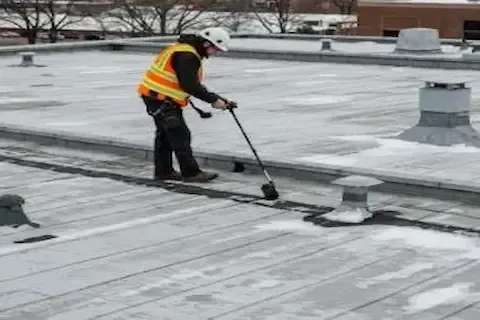
Commercial Roof Inspection Manual Brooklyn Park MN
Essential Components of Commercial Roof Inspection Systems
Commercial roof inspection in Brooklyn Park MN requires systematic documentation and thorough evaluation protocols that address Minnesota's harsh weather conditions. Property managers and facility directors need comprehensive inspection frameworks that capture critical defects before they become costly failures. Your inspection manual should integrate seasonal timing considerations, moisture detection protocols, and structural assessment procedures that comply with Hennepin County building standards.
Professional Commercial Roof Inspection services utilize standardized checklists that cover membrane integrity, drainage functionality, and penetration sealing. These systematic approaches ensure consistent documentation across multiple properties and inspection cycles. Modern inspection protocols incorporate digital photography, thermal imaging, and moisture detection equipment to create detailed condition assessments that support maintenance planning and capital budgeting decisions.
Your inspection documentation system must capture both immediate repair needs and long-term maintenance requirements. Effective commercial roof inspection protocols establish baseline conditions, track deterioration patterns, and identify potential failure points before they compromise building envelope performance. This proactive approach reduces emergency repair costs and extends overall roof system lifespan through targeted preventive maintenance.
Seasonal Inspection Scheduling and Weather Considerations
Brooklyn Park's climate demands specific timing considerations for commercial roof inspections throughout the year. Spring inspections focus on winter damage assessment, including ice dam effects, membrane splitting from freeze-thaw cycles, and drainage system blockages from debris accumulation. These post-winter evaluations identify critical repairs that must be completed before the next severe weather season. For a detailed breakdown of what belongs in the written report itself, see our guide to commercial roof inspection reports.
Summer inspections emphasize membrane condition evaluation, seam integrity testing, and thermal expansion joint assessment. High-temperature periods reveal membrane brittleness, adhesive failures, and thermal movement stress points that may not be visible during cooler months. Your inspection schedule should include mid-summer evaluations when membrane materials experience maximum thermal stress and expansion.
Fall inspections prepare roof systems for winter conditions through drainage clearing, penetration sealing verification, and structural component assessment. Pre-winter inspections identify vulnerable areas that require reinforcement or repair before snow loading and ice formation create additional stress on compromised components. Thorough fall inspections prevent minor issues from becoming major problems during harsh Minnesota winters.
Documentation Requirements for Hennepin County Compliance
Commercial property owners must maintain detailed inspection records that demonstrate compliance with local building codes and insurance requirements. Your inspection documentation should include dated photographs, condition ratings, and specific defect locations using building grid references or GPS coordinates. These detailed records support warranty claims, insurance documentation, and regulatory compliance reporting.
Inspection reports must clearly identify immediate safety concerns, structural deficiencies, and code compliance issues that require prompt attention. Documentation standards should include material specifications, installation dates, and previous repair history to establish comprehensive property maintenance records. Consistent documentation formats facilitate communication between property managers, maintenance staff, and roofing contractors.
Flat Roof Inspection Protocols and Membrane Assessment
Flat roof inspection requires specialized techniques that address unique failure patterns common to low-slope commercial systems. Membrane inspection protocols evaluate seam integrity, surface deterioration, and ponding water conditions that can compromise system performance. Your inspection manual should include specific procedures for different membrane types including EPDM, TPO, modified bitumen, and built-up roofing systems.
Moisture detection represents a critical component of flat roof inspection protocols. Electronic moisture scanning equipment identifies trapped water within roof assemblies that may not be visible through surface examination alone. Systematic moisture mapping creates detailed documentation of wet areas that require immediate attention to prevent structural damage and interior water infiltration.
Drainage evaluation focuses on water flow patterns, drain functionality, and ponding identification across the roof surface. Effective drainage assessment includes verification of proper slope, drain capacity evaluation, and overflow system functionality. Your inspection checklist should document drainage deficiencies that create water retention and potential membrane degradation over time.
Penetration and Flashing Inspection Procedures
Roof penetrations represent the highest risk areas for water infiltration and require detailed examination during every inspection cycle. Your inspection protocol should systematically evaluate each penetration including HVAC equipment, vent pipes, electrical conduits, and structural elements that pass through the roof membrane. Detailed penetration mapping ensures consistent evaluation and tracking of seal condition over time.
Flashing inspection focuses on metal fabrication integrity, sealant condition, and proper installation alignment with membrane systems. Critical flashing areas include parapet walls, equipment curbs, and roof-to-wall transitions that experience significant thermal movement. Your inspection manual should include specific criteria for evaluating flashing condition and identifying repair priorities based on leak potential.
Technology Integration and Modern Inspection Tools
Drone technology revolutionizes commercial roof inspection capabilities by providing comprehensive aerial documentation and access to difficult inspection areas. Drone-mounted cameras capture high-resolution imagery of entire roof surfaces, enabling detailed condition assessment without safety risks associated with manual roof access. Your inspection program should integrate drone technology for large commercial properties and multi-building complexes.
Thermal imaging cameras detect temperature differentials that indicate moisture intrusion, insulation deficiencies, and membrane separation issues not visible through conventional inspection methods. Infrared inspection techniques provide non-destructive evaluation of roof system condition and identify problem areas requiring detailed investigation. Professional thermal imaging requires proper weather conditions and timing to ensure accurate moisture detection results.
Digital inspection platforms streamline documentation processes through mobile applications that integrate photography, voice notes, and standardized checklists. Cloud-based inspection systems enable real-time reporting, automatic scheduling, and comprehensive condition tracking across multiple properties. Modern inspection technology reduces documentation time while improving report accuracy and consistency.
Equipment Selection and Inspection Tool Requirements
Professional inspection equipment includes moisture meters, thermal imaging cameras, digital cameras, measuring tools, and safety equipment necessary for comprehensive roof evaluation. Your equipment selection should balance inspection capability with portability and ease of use in field conditions. Regular equipment calibration ensures accurate readings and reliable detection of roof system deficiencies.
Safety equipment represents a non-negotiable component of commercial roof inspection protocols. Personal fall protection, ladder safety systems, and emergency communication equipment protect inspection personnel during roof access and evaluation procedures. Your inspection manual must include detailed safety protocols that comply with OSHA requirements and industry best practices for roof access.
Defect Classification and Priority Assessment Systems
Effective inspection protocols require standardized defect classification systems that enable consistent priority ranking and repair scheduling decisions. Your classification system should differentiate between immediate safety hazards, structural concerns, and routine maintenance items that can be scheduled during planned maintenance windows. Clear priority rankings facilitate budget planning and contractor scheduling for repair implementation.
Critical defects include structural damage, active leaks, and safety hazards that require immediate attention regardless of budget constraints. High-priority items encompass conditions that will likely fail within the next inspection cycle and should be addressed during the current maintenance season. Medium and low-priority items represent routine maintenance and long-term replacement planning considerations.
Photographic documentation must accompany every defect identification to provide visual reference for repair contractors and maintenance planning purposes. Your defect logging system should include specific location references, measured dimensions, and recommended repair methodologies. Comprehensive defect documentation supports accurate cost estimation and contractor communication throughout the repair process.
Inspection Frequency and Cycle Management
Commercial roof inspection frequency depends on building age, roof system type, and exposure conditions specific to Brooklyn Park's climate environment. New roof systems typically require annual inspections, while aging systems may need semi-annual evaluation to monitor accelerating deterioration patterns. Your inspection scheduling should account for warranty requirements, insurance specifications, and manufacturer recommendations.
Seasonal inspection cycles provide optimal condition assessment timing that aligns with weather patterns and maintenance planning schedules. Post-storm inspections represent additional evaluation opportunities that identify weather-related damage requiring prompt attention. Emergency inspection protocols should be established for severe weather events that may compromise roof system integrity.
Contractor Selection and Professional Service Integration
Professional roofing contractors bring specialized expertise, advanced equipment, and comprehensive insurance coverage that individual property inspections cannot match. Qualified contractors understand Minnesota building codes, material specifications, and installation standards that ensure accurate condition assessment and appropriate repair recommendations. Your inspection program should incorporate professional services for complex evaluations and technical assessments.
Contractor selection criteria should emphasize local experience, proper licensing, and familiarity with commercial roofing systems common to the Brooklyn Park area. Established local contractors understand regional weather challenges, material availability, and permitting requirements that affect inspection scheduling and repair implementation. Professional relationships with qualified contractors streamline maintenance planning and emergency response capabilities.
Service agreements with roofing professionals should clearly define inspection scope, reporting requirements, and emergency response procedures. Comprehensive service agreements ensure consistent inspection quality, standardized reporting formats, and reliable contractor availability for both routine inspections and emergency evaluations. Professional inspection services complement internal maintenance capabilities while providing specialized expertise for complex roofing systems.
Long-term Maintenance Planning and Budget Considerations
Systematic inspection programs generate data that supports accurate long-term maintenance planning and capital budget development. Your inspection records should track deterioration patterns, repair effectiveness, and replacement timing to optimize maintenance spending and system performance. Historical inspection data enables predictive maintenance scheduling that reduces emergency repair costs and extends roof system lifespan.
Budget planning requires realistic cost estimates for identified repairs, routine maintenance, and eventual system replacement. Your inspection documentation should support capital reserve planning and maintenance budget development through detailed condition assessments and remaining service life estimates. Proper financial planning ensures adequate resources for both immediate repairs and long-term system replacement requirements.
Preventive maintenance programs based on systematic inspection findings significantly reduce overall roofing costs compared to reactive repair approaches. Regular inspection and maintenance scheduling prevents minor issues from developing into major system failures that require emergency repairs or premature replacement. Your inspection manual should integrate maintenance planning recommendations that optimize system performance and cost-effectiveness over the entire roof lifecycle.
